E-mail to us

Empowering High-Speed Networks: A Deep Dive into Fibre Optic Transceivers

Table of Content [Hide]

    In an era of explosive data growth and digital transformation, reliable high-speed communication is the backbone of every modern network. At the heart of fiber infrastructure lies a compact yet powerful component: the fibre optic transceiver. Whether you're building a data center, upgrading a campus network, or connecting industrial systems, understanding how this technology works is essential for making smarter infrastructure decisions.


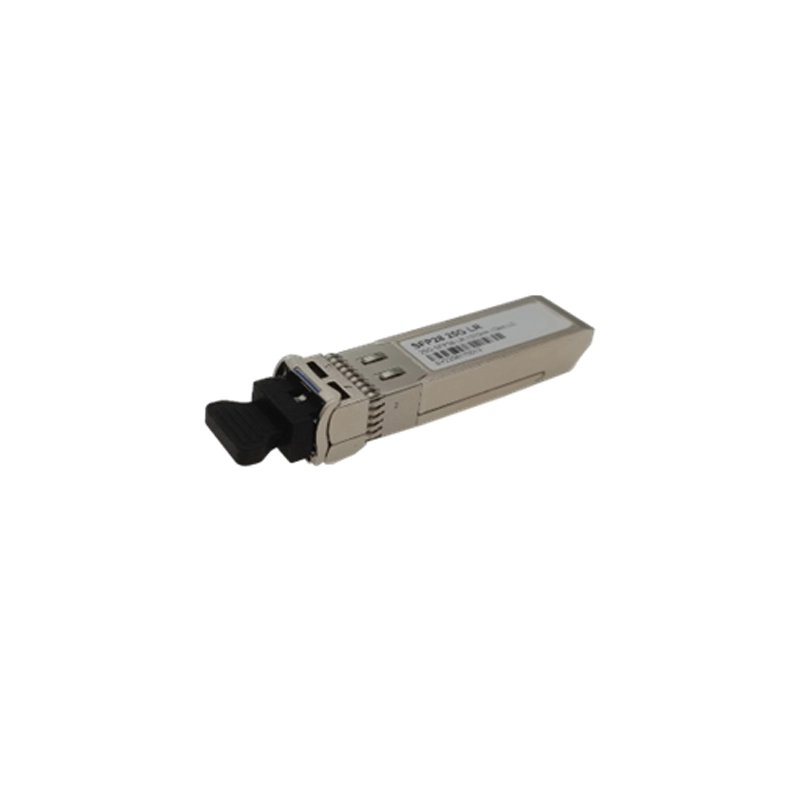
    1 gig single mode sfp


    What Is a Fibre Optic Transceiver?


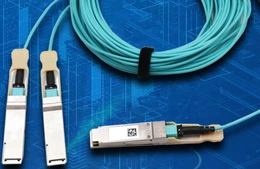
    A fibre optic transceiver is a compact, hot-pluggable device that both transmits and receives data over fiber optic cables. It converts electrical signals from switches or routers into optical signals, and vice versa. These modules are typically inserted into SFP/SFP+, QSFP+, or other standardized ports on networking equipment.


    Fibre transceivers support a wide range of data rates—from 1G and 10G up to 400G—and offer exceptional reliability for long-distance, high-bandwidth communications. They're the invisible engines powering optical links in enterprise networks, telecom backbones, cloud data centers, and more.


    What Is the Distance of a Fibre Optic Transceiver?


    The transmission distance of a fibre optic transceiver depends on multiple factors, including wavelength, fiber type (single-mode or multi-mode), and module type. Common ranges include:


    Multi-mode SFP (850nm): Up to 550 meters

    Single-mode SFP (1310nm or 1550nm): Ranges from 10 km to 80 km

    DWDM & CWDM transceivers: Up to 120 km or more for dense wavelength multiplexing systems


    By selecting the right transceiver type, you can ensure reliable data delivery across buildings, campuses, or even cities—without signal degradation.


    Why Fibre Optic Transceivers Matter in Modern Networks


    With increasing demand for bandwidth, security, and minimal latency, fiber-based communication is becoming non-negotiable. Fibre optic transceivers make that possible by offering:


    High-speed, low-latency transmission

    Compact, scalable integration into switches/routers

    Flexible deployment options across industries

    Support for long-distance and multi-wavelength communication


    Whether you're expanding a data center, deploying surveillance systems, or building a resilient enterprise network, fibre transceivers are at the core of reliable performance.


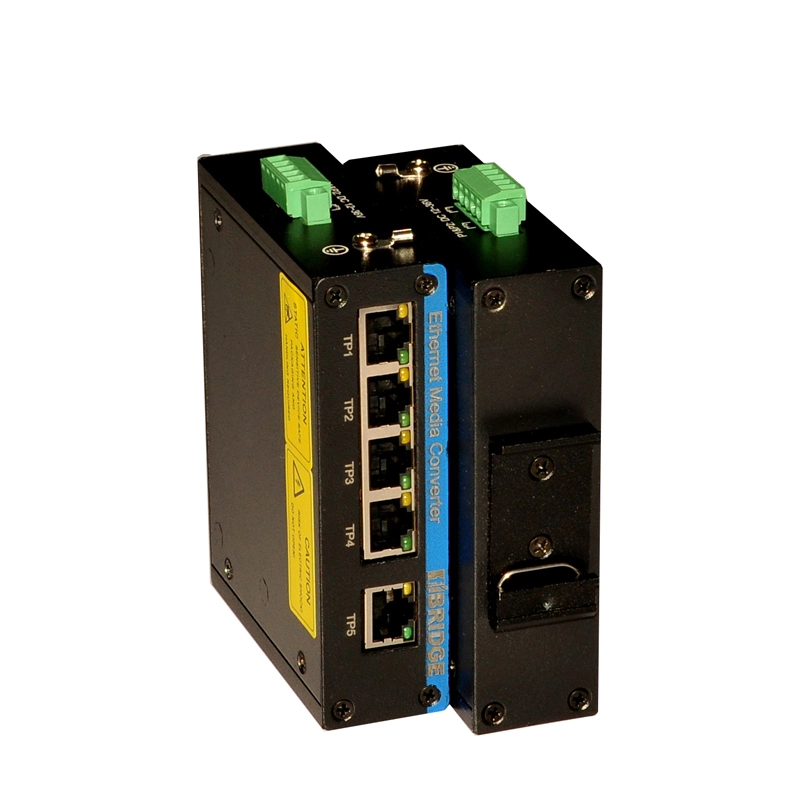
    What Is the Difference Between a Fibre Transceiver and a Media Converter?


    While both devices are used in fiber optic networks, their purposes are different:


    AspectFibre Optic TransceiverMedia Converter
    FunctionConverts electrical <--> optical signals in switchesConverts signals between copper and fiber
    InstallationPlugged into switch/router ports (SFP slot)Standalone device between different media types
    FlexibilityHot-swappable, modularFixed form factor
    Use CaseScalable fiber infrastructurPoint-to-point fiber extension


    In short, fibre optic transceivers are modular components built into active network devices, while media converters act as intermediaries between incompatible media types.


    At Fibridge, we've always believed that the strength of any network lies in the invisible links between systems—and fibre optic transceivers are those essential building blocks. As a seasoned network switch manufacturer, we understand that true performance comes from seamless integration between transceivers and switching hardware. In our decades of experience designing industrial and carrier-grade network solutions, we've seen how transceivers make or break optical performance, especially over long distances and mission-critical applications. That's why we don't treat transceivers as accessories—we engineer them as core components. From SFP to QSFP28, every Fibridge transceiver is tested for reliability, low latency, and compatibility across platforms. Whether you're scaling a data center, deploying FTTH, or connecting smart infrastructure, our fibre optic transceivers ensure stable, high-speed communication that just works.


    References
    Products
    Latest Industrial Network Switch News
    Feb
    21
    2025
    Feb 21 2025
    How to Distinguish Between Layer 2 Switches and Layer 3 Switches
    The main differences between layer 2 switches and layer 3 switches lie in the OSI model layers at which they operate and their functions. They can be distinguished from the following aspects.1. Operat...
    Read More
    How to Distinguish Between  Layer 2 Switches and Layer 3 Switches
    Oct
    12
    2024
    Oct 12 2024
    Tips for Using Virtual Local Area Networks (VLANs)
    Tips for Using Virtual Local Area Networks (VLANs)Jipeng LV-Beijing Fibridge Co., Ltd.Virtual Local Area Network (VLAN) is a powerful network technology that allows a physical LAN to be divided into m...
    Read More
    Tips for Using Virtual Local Area Networks (VLANs)
    Aug
    14
    2024
    Aug 14 2024
    How to Consider the Factors of Network Switch Backplane Bandwidth and Packet Forwarding Rate in Network System Design
    Basic ConceptsWhat Is Switch Backplane BandwidthThe backplane bandwidth of a switch is the maximum amount of data that can be throughput between the switch interface processors or interface cards and ...
    Read More
    How to Consider the Factors of Network Switch Backplane Bandwidth and Packet Forwarding Rate in Network System Design
    Beijing Fibridge Co., Ltd.
    steven@fibridge.com
    8610-58858988
    A402, Power Creative Bldg, No.1, Shangdi East Road, Haidian, Beijing, China
    A402, Power Creative Bldg, No.1, Shangdi East Road, Haidian, Beijing, China
    steven@fibridge.com 8610-58858988